
Can Dogs Eat Grapefruit? Risks, Safety Tips, and Vet Advice

Grapefruit may seem healthy, but for dogs it comes with real risks—here’s what every dog owner should know before offering a bite.

Last Updated: January 31, 2026

Can Dogs Eat Grapefruit? Safety, Risks, and What Pet Owners Should Know

Table of Contents

Can dogs eat grapefruit? The answer isn’t a simple yes or no. According to PetMD and the American Kennel Club, the flesh of grapefruit isn’t technically toxic to dogs. However, that doesn’t mean it’s a good idea to share this tangy fruit with your pup.

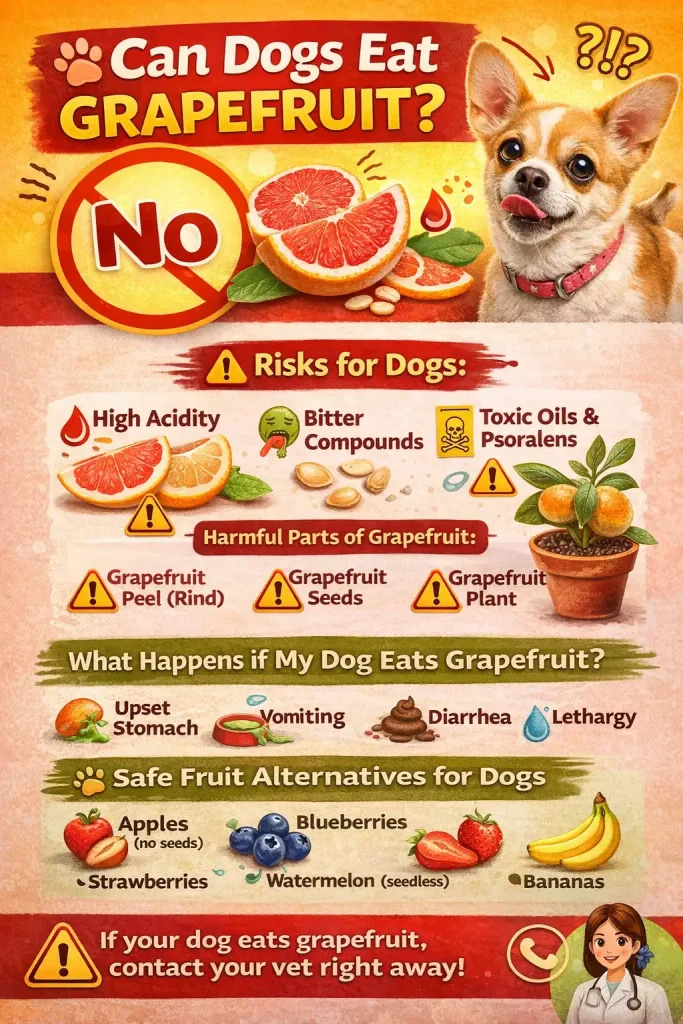
Here’s the catch: while small amounts of grapefruit flesh might not poison your dog, other parts of the fruit – the peel, rind, seeds, and pith – are toxic. Even the flesh itself can cause digestive upset in many dogs due to its high acidity. Veterinarians generally recommend avoiding grapefruit altogether because the risks outweigh any potential benefits.

Why Grapefruit Is Dangerous for Dogs

Understanding why grapefruit poses risks helps you make informed decisions about your dog’s diet. Let’s break down the specific dangers lurking in this seemingly healthy citrus fruit.

Psoralen: The Hidden Toxin

The most serious concern with grapefruit is a compound called psoralen. According to the ASPCA, psoralens are natural organic compounds found in citrus fruits, particularly concentrated in grapefruit peels, rinds, seeds, and pith. These compounds are highly toxic to dogs.

When dogs ingest psoralen, it can lead to several serious health issues. The compound affects multiple body systems, causing problems that range from uncomfortable to potentially life-threatening. Psoralen poisoning can result in kidney dysfunction, liver damage, and severe gastrointestinal distress.

One of the most unusual effects of psoralen is photosensitivity. According to Wag Walking, this toxin can make your dog’s skin extremely sensitive to sunlight. When combined with UV exposure, psoralen causes phototoxic dermatitis – a painful skin condition that can result in severe sunburn, rashes, and blistering even with minimal sun exposure.

You can read: Can Dogs Eat Mangoes? Safety, Benefits & Feeding Guide

Essential Oils

Grapefruit peels contain concentrated essential oils that dogs cannot properly metabolize. These oils are the same ones that give grapefruit its distinctive aroma and flavor, but they’re toxic to canines. Even small amounts can cause gastrointestinal irritation, vomiting, and diarrhea.

The essential oils in grapefruit rind include d-limonene and linalool, which can stress your dog’s liver. In severe cases, according to TrustedHousesitters, these compounds can potentially lead to liver failure. This is why it’s crucial to dispose of grapefruit peels where your curious pup can’t reach them.

Citric Acid Overload

Even if your dog only eats the flesh, grapefruit’s extremely high citric acid content presents problems. According to Purina, this fruit is significantly more acidic than other citrus options, and that acidity can wreak havoc on your dog’s digestive system.

Excessive citric acid doesn’t just upset stomachs. MasterClass reports that very high doses can lead to central nervous system depression in dogs. This serious condition affects coordination, causing dogs to become wobbly, disoriented, or unbalanced. In extreme cases, it can even trigger seizures.

Symptoms of Grapefruit Poisoning in Dogs

If your dog eats grapefruit, knowing what symptoms to watch for can help you act quickly. The severity of symptoms depends on how much your dog ate and which parts of the fruit they consumed.

Mild to Moderate Symptoms

If your dog only ate a small piece of grapefruit flesh, you might notice milder digestive issues. Common symptoms include vomiting, diarrhea, excessive drooling, loss of appetite, abdominal discomfort or pain, and general lethargy or tiredness.

According to Canine Journal, these symptoms typically appear within a few hours of ingestion and may resolve on their own within 24 to 48 hours. However, you should still monitor your dog closely and contact your veterinarian for guidance.

Severe Symptoms

If your dog consumed grapefruit peel, seeds, or large amounts of flesh, more serious symptoms can develop. Watch for continuous vomiting or diarrhea, severe lethargy or weakness, difficulty swallowing, extreme sensitivity to light or sun, skin redness, rashes, or blistering (photosensitivity), lack of coordination or staggering, tremors or seizures, and signs of kidney problems like increased thirst or changes in urination.

These severe symptoms require immediate veterinary attention. According to Spot Pet Insurance, grapefruit poisoning can lead to kidney failure and other life-threatening complications without prompt treatment.

You can read: Can Dogs Eat Dates? A Clear, Honest Guide for Dog Owners

What to Do If Your Dog Eats Grapefruit

Your response depends on what part of the grapefruit your dog ate and how much they consumed. Here’s your action plan:

If Your Dog Ate Grapefruit Flesh

Don’t panic if your dog only ate a small piece of grapefruit flesh without the peel or seeds. According to the American Kennel Club, monitoring at home is usually sufficient for minor ingestion. Watch your dog closely for the next 24 to 48 hours for any signs of digestive upset.

Make sure your dog has access to plenty of fresh water to stay hydrated. If they develop vomiting, diarrhea, or appear uncomfortable, call your veterinarian for advice. Be prepared to share how much grapefruit your dog ate and when they ate it.

If Your Dog Ate Grapefruit Peel, Seeds, or Pith

This is a much more serious situation. Contact your veterinarian or an emergency animal hospital immediately, even if your dog isn’t showing symptoms yet. According to PetMD, the toxic compounds in these parts can cause severe problems, and early intervention is crucial.

Don’t try to induce vomiting at home unless specifically instructed by a veterinarian. Keep your dog calm and comfortable while you wait for professional guidance. If possible, save any remaining grapefruit pieces to show your vet – this helps them assess the situation accurately.

Additionally, the peel and rind can cause intestinal blockages. According to veterinary sources, these blockages can be life-threatening and may require emergency surgery. Time is critical, so don’t wait to see if symptoms develop.

How Veterinarians Treat Grapefruit Poisoning

Understanding the treatment process can help prepare you if your dog needs veterinary care. Treatment varies based on severity and timing.

Initial Assessment

Your veterinarian will start by asking detailed questions about what happened. They’ll want to know exactly what your dog ate, how much, and when. A physical examination follows, checking vital signs and looking for symptoms of poisoning.

According to Wag Walking, if your dog is vomiting at the clinic, the vet will examine the contents for clues. They may also collect stool samples to rule out other causes like parasites or bacterial infections.

Decontamination

If your dog recently ate grapefruit and it’s still in their stomach, your vet may induce vomiting to remove the toxic material before the body absorbs it. This is most effective within the first hour or two after ingestion.

If too much time has passed for vomiting to be effective, activated charcoal may be administered instead. According to Designer Dog Foods, activated charcoal binds to toxins in the digestive tract, preventing absorption into the bloodstream.

Supportive Care

Most dogs receiving treatment will need supportive care to manage symptoms. This might include anti-nausea medication to control vomiting and provide relief, intravenous fluids to prevent dehydration and help flush toxins from the system, medications to protect the stomach lining if acid irritation is severe, and topical treatments for any skin reactions caused by photosensitivity.

The good news? With prompt treatment, most dogs recover fully from grapefruit poisoning without long-term effects. The key is catching it early and getting professional help quickly.

Can Dogs Eat Grapefruit? Vet-Backed Safety Guide for Dog Owners

Why Do Some Sources Say Grapefruit Is Okay?

You might have read conflicting information online about grapefruit and dogs. Some sources suggest small amounts of flesh are fine, while others recommend avoiding it completely. What gives?

The confusion stems from the fact that grapefruit flesh alone isn’t technically toxic like the peel and seeds. According to Hepper, a small piece of peeled grapefruit flesh probably won’t poison your dog. The flesh itself doesn’t contain the same concentration of psoralens found in the peel.

However, just because something isn’t immediately toxic doesn’t mean it’s a good idea. The high acidity of grapefruit flesh causes digestive upset in many dogs. Plus, there’s always a risk that a piece of peel, seed, or pith got mixed in – and those parts are definitely toxic.

Most veterinarians take the conservative approach: why risk it when there are so many safer treat options? The potential for upset stomach, combined with the danger of accidental peel consumption, makes grapefruit a poor choice for dogs.

You can read: Can Dogs Eat Chickpeas? A Vet-Backed, Honest Guide for Dog Owners

What About Grapefruit Juice?

Can dogs drink grapefruit juice? Absolutely not. Grapefruit juice is even worse than the flesh for several reasons.

First, according to TrustedHousesitters, commercial grapefruit juice contains extremely high levels of citric acid in concentrated form. This can cause severe stomach irritation and digestive upset. Second, most store-bought juices are loaded with added sugars, which contribute to obesity, dental problems, and diabetes in dogs.

Even fresh-squeezed grapefruit juice poses problems. The juicing process can extract essential oils and psoralens from the peel and pith, introducing toxins into the liquid. There’s simply no safe way to give dogs grapefruit juice.

Are Other Citrus Fruits Safe for Dogs?

Since grapefruit is problematic, you might wonder about other citrus options. The answer varies depending on the specific fruit.

Safer Citrus Options

Oranges and tangerines are generally considered the safest citrus fruits for dogs. According to Purina, you can offer your dog one small section of orange or tangerine to see if they enjoy it. These fruits are less acidic than grapefruit and contain lower levels of problematic compounds.

Important rules still apply: always remove all peels, seeds, and white pith before sharing, offer only tiny amounts as an occasional treat, and watch your dog for any digestive upset. Remember the 10% rule – treats should never exceed 10% of your dog’s daily caloric intake.

Citrus to Avoid

Lemons and limes should be avoided entirely. These fruits are extremely acidic and can cause significant stomach upset even in small amounts. Like grapefruit, their peels contain toxic essential oils and psoralens.

Pomelos, grapefruit’s larger cousin, present the same risks as grapefruit. According to TrustedHousesitters, the flesh can irritate digestion, while the peel and rind are highly toxic.

Better Treat Alternatives for Dogs

Instead of risking grapefruit, consider these dog-safe fruits that offer nutritional benefits without the dangers:

Apples

Apples are an excellent choice for dogs. They’re crunchy, naturally sweet, and packed with fiber and vitamins. Just remember to remove the core and seeds, which contain small amounts of cyanide. Slice them into bite-sized pieces for easy eating.

Bananas

According to PetMD, bananas are safe, nutritious, and most dogs love them. They’re rich in potassium, vitamin B6, and vitamin C. Bananas are also easy on the stomach, making them a great option for dogs with sensitive digestion. Feed in moderation due to sugar content.

Blueberries

These tiny powerhouses are loaded with antioxidants and vitamins. Blueberries support immune health and provide anti-inflammatory benefits. Their small size makes them perfect training treats, and most dogs find them irresistible.

Watermelon

Seedless watermelon is hydrating, low in calories, and safe for dogs. It’s especially refreshing on hot summer days. Remove all seeds and rind before sharing, and cut into small, manageable pieces.

Strawberries

Strawberries contain fiber, vitamin C, and an enzyme that can help whiten teeth. They make a sweet, healthy treat that most dogs enjoy. Wash thoroughly, remove the green tops, and slice for smaller dogs.

Carrots

While not a fruit, carrots deserve mention as an outstanding dog treat. They’re crunchy, low in calories, and excellent for dental health. Carrots provide beta-carotene, fiber, and vitamins. Serve raw for maximum crunch or lightly steamed for easier digestion.

You can read: Can Dogs Eat Eggplant? Safety, Benefits, and Risks Explained

Why Most Dogs Don’t Like Grapefruit Anyway

Here’s an interesting fact: even if grapefruit were completely safe, most dogs wouldn’t want it. According to Canine Journal, the strong, bitter, sour taste of grapefruit is naturally off-putting to canines.

Dogs have different taste receptors than humans. While we might enjoy the complex sweet-tart flavor profile, dogs typically perceive grapefruit as unpleasantly bitter and intensely sour. Their taste buds are designed to avoid foods with these characteristics, which often signal toxicity in nature.

This natural aversion is actually protective. If you offer your dog grapefruit and they turn their nose up at it, that’s their instincts working correctly. Don’t try to convince them to eat it – listen to what their biology is telling them.

Special Considerations for Different Dogs

Some dogs are more vulnerable to grapefruit’s effects than others. Understanding your dog’s risk factors helps you make the safest choices.

Puppies

Never give grapefruit to puppies. Their developing digestive systems are more sensitive to acidic foods, and their smaller size means even tiny amounts of toxins can have significant effects. Stick to puppy-appropriate treats.

Senior Dogs

Older dogs often have compromised kidney or liver function. Since psoralen can stress these organs, senior dogs should absolutely avoid grapefruit. Their bodies may also struggle more with the high acidity.

Dogs with Health Issues

Any dog with existing kidney disease, liver problems, digestive issues, or sensitive stomachs should never have grapefruit. The risks are simply too high. If your dog takes medication, check with your veterinarian – grapefruit can interact with certain drugs in both humans and animals.

Preventing Accidental Grapefruit Consumption

Prevention is always better than treatment. Here’s how to keep your dog safe from grapefruit-related mishaps:

Store grapefruit out of reach on high counters or in closed refrigerators. Dispose of peels, rinds, and scraps in a trash can your dog cannot access – consider a can with a lid or keep it behind a closed door. Clean up immediately after eating grapefruit, making sure no pieces have fallen on the floor. If you have a grapefruit tree, fence it off or supervise your dog closely in that area. Teach your dog a solid “leave it” command for times when they show interest in forbidden foods.

According to MasterClass, most dogs will naturally avoid grapefruit due to its taste, but curious pups or food-motivated dogs might try it anyway. Don’t rely on their natural aversion alone – use physical barriers and training to prevent access.

You can read: Can Dogs Eat Sardines? Safe Benefits, Risks & Vet Tips

The Bottom Line: Can Dogs Eat Grapefruit?

So, can dogs eat grapefruit? Technically, a tiny piece of grapefruit flesh probably won’t kill your dog. However, that doesn’t mean you should share it.

The ASPCA clearly states that grapefruit plants and peels are toxic to dogs, while the flesh can cause digestive upset. Grapefruit contains psoralen, essential oils, and high levels of citric acid – all problematic for canines. The risks include kidney damage, liver stress, photosensitivity, digestive upset, central nervous system effects, and potential intestinal blockages from peels.

FAQs

Is grapefruit safe for dogs to eat?

Grapefruit is not recommended for dogs. While the flesh is not toxic, the fruit’s acidity and compounds can upset a dog’s digestive system.

What part of grapefruit is harmful to dogs?

The peel, seeds, and white pith contain essential oils and psoralens that may cause stomach irritation or more serious reactions in dogs.

Can a small amount of grapefruit harm my dog?

A small bite of grapefruit flesh is unlikely to cause poisoning, but it can still lead to vomiting, diarrhea, or discomfort—especially in sensitive dogs.

Why do dogs react badly to grapefruit?

Grapefruit is highly acidic and contains compounds dogs cannot process efficiently, which can irritate the stomach and intestines.

Are grapefruit products safe for dogs?

No. Grapefruit juice, extracts, or flavored products are more concentrated and should never be given to dogs.


Related Articles