
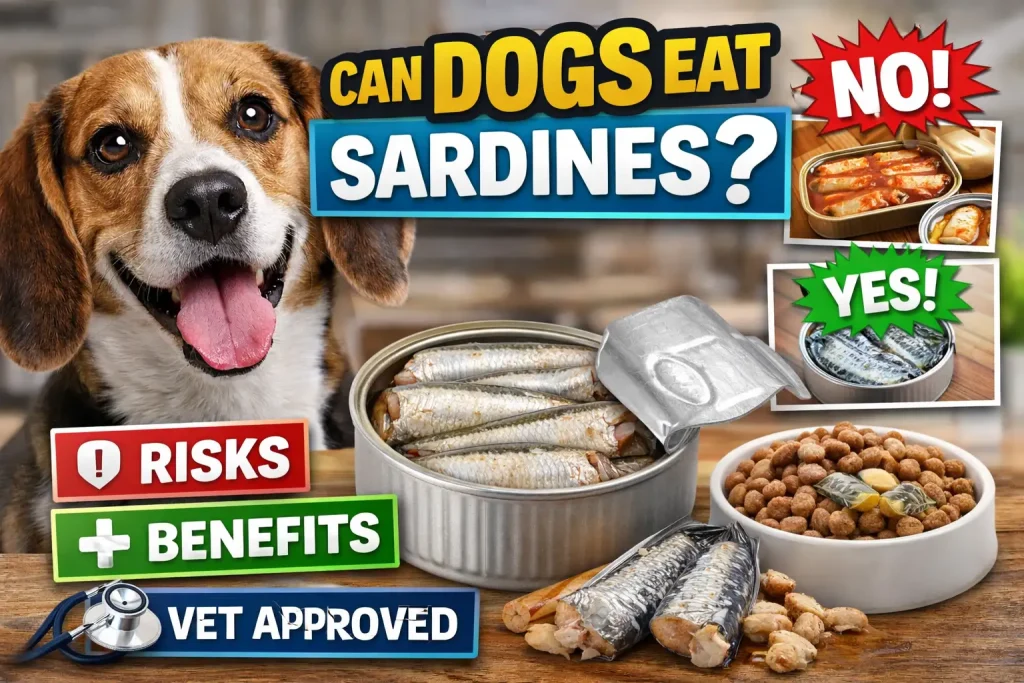
If you’ve ever opened a can of sardines and felt a pair of hopeful eyes staring into your soul, you’re not alone. Dogs love fish. The smell alone can turn even the calmest pup into a professional beggar.
So the big question is simple:
Can dogs eat sardines?
The short answer is yes, dogs can eat sardines, and in many cases, they’re actually good for them. The long answer matters more because not all sardines are safe, and portion size plays a huge role.
This guide explains everything you need to know — benefits, risks, safe portions, preparation tips, and what vets really recommend — using real data and trusted sources.
What Are Sardines?
Sardines are small, oily fish that belong to the herring family. People eat them fresh, canned, smoked, or grilled. Dogs don’t care about the presentation. They care about taste and smell.
From a nutrition standpoint, sardines stand out because they sit low on the food chain. That matters, especially for dogs.
Smaller fish tend to accumulate fewer heavy metals than larger fish like tuna. That makes sardines one of the safer seafood options for both humans and dogs.
What Makes Sardines a Superfood for Dogs?
Sardines are small fish from the herring family, typically measuring six to twelve inches long. They swim in massive schools throughout the world’s oceans and have been a staple protein source for humans for thousands of years. What makes them exceptional for dogs is their unique position in the ocean food chain and their impressive nutrient profile.
Unlike larger predatory fish like tuna or swordfish, sardines feed exclusively on phytoplankton—microscopic algae. This plant-based diet means they don’t accumulate toxins or heavy metals as larger fish do. Since sardines sit low in the food chain and have short lifespans, they contain less mercury than other seafood options.
This makes sardines one of the safest fish choices for regular feeding. You don’t have to worry about mercury poisoning the way you might with frequent tuna consumption. For pet parents looking to add fish to their dog’s diet without the risks of toxicity, sardines are the clear winner.
You can read: Can Dogs Eat Chickpeas?
Are Sardines Safe for Dogs?
Yes — sardines are safe for dogs when prepared correctly and fed in moderation.
Veterinary organizations, including the American Kennel Club (AKC), recognize sardines as a dog-safe food when:
- They’re cooked or packed safely
- They’re free from harmful additives
- Portions stay small
Sardines even appear in some commercial dog foods and supplements. Safety depends on how you serve them, not just what they are.
The Nutritional Powerhouse: What’s Inside Sardines
Don’t let their small size fool you—sardines are nutritionally dense and offer a remarkable array of benefits for your dog’s health.
Omega-3 Fatty Acids: The Star Ingredient
Sardines are loaded with omega-3 fatty acids, specifically EPA and DHA. These essential fats deliver multiple health benefits that your dog can’t produce on their own. Omega-3s reduce inflammation throughout the body, which helps dogs suffering from arthritis, allergies, or other inflammatory conditions.
They support cardiovascular health by maintaining healthy blood pressure and reducing the risk of heart disease. For your dog’s brain, omega-3s promote cognitive function and can be particularly beneficial for senior dogs experiencing age-related mental decline. And if you want your pup to have that Instagram-worthy shiny coat? Omega-3s deliver soft, lustrous fur and healthy skin.
Complete Protein Source
Sardines contain all nine essential amino acids, making them a complete protein. Protein supports muscle development, tissue repair, immune function, and enzyme production. For active dogs, growing puppies, or senior dogs maintaining muscle mass, sardines provide high-quality protein in an easily digestible form.
Vitamin D: Essential for Dogs
Here’s something many dog owners don’t realize: unlike humans, dogs can’t produce vitamin D through sun exposure. They need to get it from their diet. Sardines are one of the richest natural sources of vitamin D, which is crucial for calcium absorption, bone health, immune system function, and overall cellular health.
B Vitamins for Energy and Metabolism
Sardines pack impressive levels of vitamin B12 (cobalamin), which supports red blood cell formation, neurological function, and DNA synthesis. They also contain other B vitamins that help convert food into energy and support healthy metabolic function.
Minerals That Matter
Sardines deliver calcium and phosphorus (essential for strong bones and teeth), selenium (an antioxidant that supports immune function, thyroid health, and reproduction), copper (important for skeletal and muscular health), and zinc (supports immune system and skin health).
Coenzyme Q10: The Cellular Energy Booster
CoQ10 is a powerful antioxidant that supports heart health, enhances cellular energy production, and promotes dental health. It’s particularly beneficial for growing puppies (supporting neural development) and senior dogs (supporting cognitive function and heart health).
You can read: Can Dogs Eat Food With Onions?
The Health Benefits: What Sardines Can Do for Your Dog
When you regularly include sardines in your dog’s diet, you’re likely to notice tangible improvements in their overall health and well-being.
Gorgeous Coat and Healthy Skin
The omega-3 fatty acids in sardines work wonders for your dog’s appearance. You’ll notice softer, shinier fur within weeks of adding sardines to their diet. If your dog suffers from dry, flaky skin or excessive itching, the anti-inflammatory properties of omega-3s can provide significant relief.
Joint Support and Mobility
For older dogs or breeds prone to hip dysplasia and arthritis, sardines can be a game-changer. The anti-inflammatory omega-3s help reduce joint pain and stiffness, improving mobility and quality of life. Many dog owners report their senior dogs moving more freely and showing renewed interest in activities after adding sardines to their meals.
Immune System Boost
The combination of omega-3s, selenium, and other antioxidants in sardines strengthens your dog’s immune system. This helps them fight off infections, reduces inflammation, and may lower the risk of certain diseases.
Brain Health and Cognitive Function
Omega-3 fatty acids support brain development in puppies and help maintain cognitive function in senior dogs. If you’ve noticed your older dog becoming confused or disoriented, omega-3s from sardines might help slow cognitive decline.
Dental Health
The CoQ10 in sardines supports dental health, and if you feed sardines with bones intact, those soft bones can provide gentle dental benefits by helping clean teeth and massage gums.
Heart and Kidney Protection
Regular sardine consumption may help protect against heart disease and kidney problems. The nutrients in sardines support cardiovascular function and help maintain healthy blood pressure, while also providing kidney-protective benefits.
You can read: Can Dogs Eat Blueberries?
How to Feed Sardines to Your Dog: The Right Way
While sardines are healthy, preparation and serving methods matter tremendously. Follow these guidelines to maximize benefits and minimize risks.
Choose the Right Type of Sardines
Fresh or frozen sardines are the most nutritious options. You can serve them raw (after freezing for at least three weeks to kill potential parasites), steamed, or lightly cooked. Never fry sardines in oil, as the added fat can cause digestive issues.
Canned sardines offer convenience and are perfectly safe when chosen correctly. Look for sardines packed in water—this is crucial. Avoid sardines packed in oil (even olive or coconut oil), as the high fat content can lead to pancreatitis, obesity, and digestive upset.
Also steer clear of sardines in tomato sauce (often contains onions, garlic, and other ingredients toxic to dogs) and sardines in brine (excessively high sodium content can cause dehydration, electrolyte imbalances, or salt poisoning). Always choose low-sodium or no-salt-added varieties, and rinse canned sardines thoroughly before serving to remove excess sodium.
What About the Bones?
Here’s good news: you don’t need to debone sardines before feeding them to your dog. Sardine bones are small and soft, especially in canned varieties where the pressure-cooking process makes them virtually unnoticeable. These bones are completely digestible and actually provide additional calcium.
Fresh or frozen sardines may have slightly tougher bones. For smaller dogs or those prone to choking, you can remove larger bones, but most dogs handle whole sardines without any issues. Dogs are carnivores designed to consume whole prey, bones included.
Serving Size Matters
Sardines should be treats or supplements, not meal replacements. Follow the 10% rule: no more than 10% of your dog’s daily caloric intake should come from treats and extras.
For small dogs (under 20 pounds): One small sardine or half of a larger one, two to three times per week
For medium dogs (20-50 pounds): One to two sardines, two to three times per week
For large dogs (over 50 pounds): Two to three sardines, two to three times per week
These are general guidelines. Always consult your veterinarian for personalized feeding recommendations based on your dog’s age, weight, activity level, and health status.
Creative Ways to Serve Sardines
Straight from the can: The simplest method—drain, rinse, and serve. Mix into meals: Add chopped sardines to your dog’s regular kibble or wet food. Training treats: Use small pieces as high-value training rewards. Frozen treats: Freeze sardines in ice cube trays with water for a cooling summer snack. Puzzle toys: Stuff mashed sardines into Kong toys or spread on lick mats for mental stimulation.
Introduce Slowly
If your dog has never eaten sardines before, start with a small amount—just a bite or two. Monitor for any adverse reactions like vomiting, diarrhea, itching, or stomach upset over the next 24 hours. If everything looks good, gradually increase the portion to the recommended serving size.
You can read: Can Dogs Eat Raspberries?
Potential Risks and When to Avoid Sardines
While sardines are generally safe, certain situations warrant caution or complete avoidance.
High Fat Content
Sardines are an oily fish, which means they’re higher in fat than lean proteins. While this fat is healthy omega-3, it can still cause problems for certain dogs. Dogs with a history of pancreatitis should avoid sardines entirely, as the fat content can trigger painful inflammation of the pancreas.
Overweight or obese dogs should eat sardines sparingly and only under veterinary guidance. Dogs with sensitive stomachs might experience digestive upset from the fat content—introduce very slowly and watch for symptoms.
Allergic Reactions
Though rare, some dogs can be allergic to fish. Signs of an allergic reaction include itching or skin irritation, hives or rashes, facial swelling, vomiting or diarrhea, and difficulty breathing (seek immediate veterinary care).
If you notice any of these symptoms after feeding sardines, stop immediately and contact your veterinarian.
Choking Hazards
While sardine bones are generally soft and safe, larger fresh sardines might have tougher bones that could pose choking risks, especially for small dogs or those who gulp food without chewing. Always supervise your dog when feeding sardines, and consider cutting them into smaller pieces for tiny breeds or aggressive eaters.
Sodium Concerns
Canned sardines often contain added salt. Even low-sodium varieties have some sodium content. Dogs with heart disease, kidney problems, or high blood pressure need to limit sodium intake. Always rinse canned sardines and consult your vet if your dog has any of these conditions.
Parasites in Raw Fish
Raw sardines can potentially harbor parasites. If you’re feeding raw sardines, freeze them for at least three weeks before serving to kill any parasites. This is the same protocol used for sushi-grade fish.
You can read: Can Dogs Eat Dates?
Special Considerations for Different Dogs
Puppies
Puppies can eat sardines in small amounts. The omega-3s support brain and eye development, while CoQ10 aids neural development. However, puppies have sensitive digestive systems, so introduce sardines gradually and in very small portions. Consult your vet about appropriate amounts for your growing pup.
Senior Dogs
Senior dogs often benefit tremendously from sardines. The omega-3s help maintain cognitive function, reduce arthritis pain, and support heart health. The complete protein helps maintain muscle mass. Just watch the fat content if your senior dog is less active or prone to weight gain.
Dogs with Health Conditions
Dogs with pancreatitis: Avoid sardines. Dogs with kidney disease: Consult your vet—sardines contain phosphorus which may need to be limited. Dogs with heart disease: Sardines can be beneficial but watch sodium levels. Diabetic dogs: Generally safe, but always check with your veterinarian.
Sardines vs. Other Fish: How Do They Compare?
You might wonder how sardines stack up against other fish options for dogs.
Sardines vs. Tuna: Sardines win on mercury content (much lower), omega-3 density (higher), and safety for regular feeding. Tuna should be an occasional treat due to mercury levels.
Sardines vs. Salmon: Both are excellent choices. Salmon offers similar omega-3 benefits but can be more expensive. Sardines are more sustainable and have softer, edible bones.
Sardines vs. Anchovies: Very similar nutritionally. Anchovies are often saltier, so sardines might be the better choice for dogs needing to limit sodium.
You can read: How Long Can a Dog Go Without Eating?
The Bottom Line on Sardines for Dogs
Can dogs eat sardines? Absolutely—and they should, provided they’re healthy and you follow proper feeding guidelines. These small fish deliver an impressive array of health benefits, from gorgeous coats and healthier joints to improved brain function and a stronger immune system.
The key to success is choosing the right sardines (packed in water, low sodium, no added ingredients), serving appropriate portions (following the 10% treat rule), introducing slowly (watching for any adverse reactions), and avoiding them for dogs with pancreatitis or severe obesity.
Sardines offer a natural, affordable way to boost your dog’s nutrition without relying on expensive supplements. Their low mercury content, complete protein profile, and omega-3 density make them one of the safest and most beneficial fish options available.
Remember to always consult your veterinarian before making significant changes to your dog’s diet, especially if they have existing health conditions. Your vet can provide personalized recommendations based on your dog’s specific needs, age, and health status.
So go ahead—dig out that can of sardines from the back of your pantry. With the right preparation and moderation, you’re about to give your dog a delicious, nutritious treat that supports their health from nose to tail. Your pup’s shiny coat, improved mobility, and overall vitality will thank you.
FAQs
Can dogs eat sardines safely?
Yes, dogs can eat sardines safely when they are plain, cooked, or packed in water with no added salt or seasoning. Sardines should be fed in moderation as part of a balanced diet.
Are sardines good for dogs?
Sardines can be beneficial for dogs because they contain omega-3 fatty acids, high-quality protein, vitamin D, and essential minerals that support skin, joints, heart health, and overall wellness.
Can dogs eat canned sardines?
Dogs can eat canned sardines only if they are packed in water and contain no added salt, oil, or sauces. Always check labels and rinse before serving to reduce sodium content.
Can dogs eat sardines in oil?
Sardines packed in oil are not recommended for dogs. The extra fat may cause digestive upset and increase the risk of pancreatitis, especially in small or sensitive dogs.
How many sardines can dogs eat?
Safe portions depend on dog size:
Small dogs: ½–1 sardine
Medium dogs: 1–2 sardines
Large dogs: 2–3 sardines
Sardines should be fed once or twice per week, not daily.