
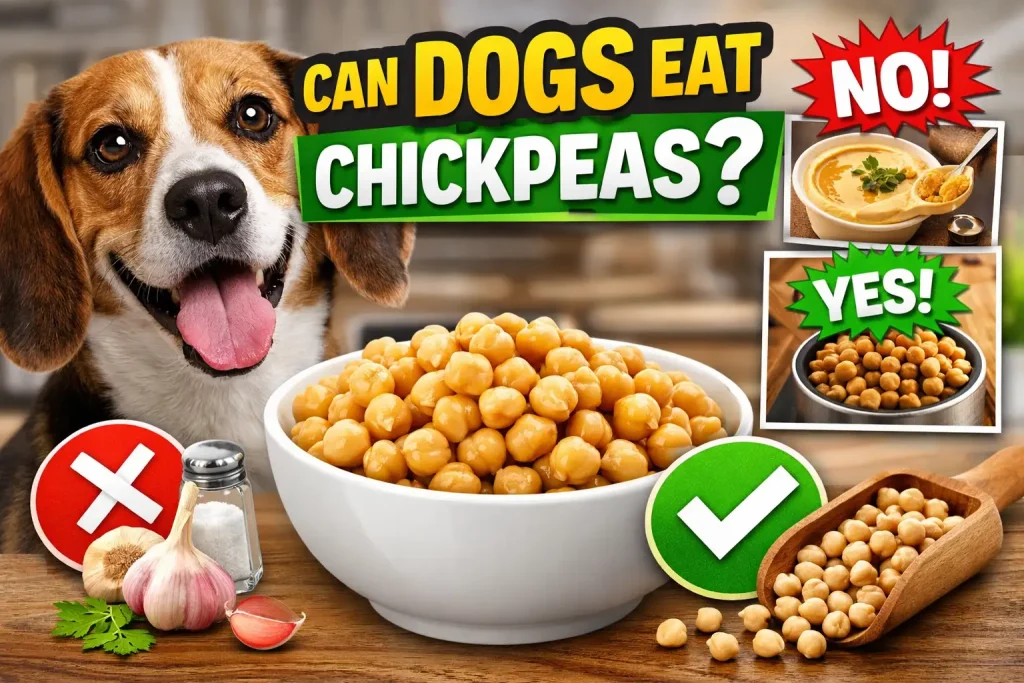
Chickpeas show up everywhere. You’ll find them in salads, hummus, curries, and even snacks. So it’s natural to look at your dog, look at your bowl, and ask:
“Can dogs eat chickpeas?”
The short answer is yes: dogs can eat chickpeas—but only when prepared correctly and served in moderation.
Chickpeas have become increasingly popular in dog food formulas, especially in grain-free diets. They’re showing up everywhere, from premium kibble to homemade dog treat recipes.
What Are Chickpeas?
Chickpeas, also known as garbanzo beans, are legumes that belong to the same family as peas, lentils, and beans. They’ve been cultivated for thousands of years—there’s evidence of chickpea farming dating back 7,000 years in the Middle East.
Today, chickpeas are a staple in cuisines around the world. From hummus in Mediterranean dishes to chana masala in Indian cooking, these little legumes pack a nutritional punch that’s caught the attention of both human nutritionists and pet food manufacturers.
Chickpeas appear in:
- Canned beans
- Dried beans
- Hummus
- Roasted snacks
- Dog food formulas
There are two main types of chickpeas. The larger, rounder, lighter-colored variety (Kabuli) is what you typically find in American grocery stores. The smaller, darker, irregularly shaped type (Desi) is more common in Middle Eastern and Indian markets. Both types are safe for dogs when prepared correctly.
You can read: How Long Can a Dog Go Without Eating? Vet Advice
Are Chickpeas Safe for Dogs?
Yes — plain, cooked chickpeas are safe for dogs.
Yes, dogs can eat chickpeas safely when they are prepared properly. Vets agree that plain, cooked chickpeas make a fine occasional treat. They’re even common in commercial dog foods, adding that extra boost without drama.
But here’s the logic: dogs are omnivores and thrive on balanced diets. Chickpeas are a good supplement, not a staple. Avoid raw or undercooked ones—they’re tough on digestion and could cause trouble. Always cook them thoroughly until they’re soft enough to mash with a fork.
Veterinary nutrition sources, including the American Kennel Club (AKC), confirm that dogs can eat chickpeas when:
- Fully cooked
- Unsalted
- Unseasoned
- Served in small portions
Raw or improperly prepared chickpeas can upset your dog’s stomach.
The Nutritional Breakdown: Why Chickpeas Are Good for Dogs
Chickpeas aren’t just filler—they actually offer some impressive nutritional benefits for dogs. According to veterinarians Dr. Nell Ostermeier and Dr. Carol Osborne, chickpeas contain a variety of nutrients that support canine health.
Plant-Based Protein
One cup of cooked chickpeas contains approximately 15 grams of protein. While this doesn’t replace the animal protein your dog needs, it provides a supplementary source that can support muscle development, immunity, and coat health.
Here’s the catch: plant-based protein isn’t as digestible for dogs as animal protein. Dogs require specific amino acids found primarily in meat. Chickpeas can complement your dog’s protein intake, but they should never be the primary source. Think of them as a supporting actor, not the star of the show.
High Fiber Content
Chickpeas are loaded with fiber—about 12.5 grams per cup. Fiber plays several important roles in your dog’s digestive system. It promotes regular bowel movements, prevents constipation, and supports a healthy gut microbiome.
The high fiber content also helps dogs feel fuller longer, which makes chickpeas useful for weight management. If your pup is prone to begging between meals or needs to shed a few pounds, the satiety factor can be helpful.
Essential Vitamins and Minerals
Chickpeas contain an impressive array of vitamins and minerals. They’re rich in vitamin A (essential for vision and immune function), vitamin B6 and B9/folate (important for metabolism and red blood cell production), and vitamin C (an antioxidant that supports the immune system).
On the mineral front, chickpeas provide iron (crucial for red blood cell production), magnesium (supports muscle and nerve function), potassium (maintains heart and kidney health), selenium, phosphorus, and manganese. This nutrient density makes chickpeas a valuable addition to a balanced diet.
Low in Fat and Calories
For dogs needing a low-fat diet—whether due to pancreatitis risk, weight issues, or other health concerns—chickpeas offer a nutritious option. They’re relatively low in calories compared to many dog treats, making them a smart choice for training rewards or snacks.
Blood Sugar Regulation
Chickpeas have a low glycemic index, meaning they release glucose slowly into the bloodstream. This steady energy release helps prevent blood sugar spikes and can be particularly beneficial for diabetic dogs or those at risk of developing diabetes.
You can read: Beagle Female Dog Names That Actually Fit Your Dog’s Personality
Health Benefits of Chickpeas for Dogs
When used properly, chickpeas can offer a few real benefits.
1. Digestive Support
Fiber helps regulate bowel movements. Small amounts may help dogs with mild constipation.
Too much fiber, however, causes gas or loose stools. Balance matters.
2. Weight Management
Chickpeas contain fewer calories than many processed dog treats. They help dogs feel full, which can support weight control in overweight dogs.
Think “treat alternative,” not “meal replacement.”
3. Plant-Based Protein Boost
Chickpeas add protein, especially for dogs eating limited-ingredient diets. Many grain-free dog foods already include chickpeas for this reason.
Risks of Feeding Chickpeas to Dogs
Chickpeas aren’t dangerous, but mistakes can cause problems.
1. Gas and Bloating
Legumes produce gas. Dogs feel it too.
Large portions can lead to:
- Bloating
- Flatulence
- Abdominal discomfort
Serve small amounts only.
2. Digestive Upset
Dogs with sensitive stomachs may react poorly. Signs include:
- Vomiting
- Diarrhea
- Loss of appetite
Introduce chickpeas slowly and watch for reactions.
3. Added Ingredients Are the Real Danger
Plain chickpeas are fine. Seasoned chickpeas are not.
Avoid chickpeas with:
- Salt
- Garlic
- Onion
- Chili
- Spices
Garlic and onions are toxic to dogs, according to the ASPCA Animal Poison Control Center.
You can read: Can Dogs Eat Dates?
Can Dogs Eat Chickpeas From a Can?
Yes, but only after rinsing thoroughly.
Canned chickpeas usually contain:
- Added sodium
- Preservatives
Too much sodium stresses a dog’s kidneys and heart.
How to Make Canned Chickpeas Safe
- Drain the liquid
- Rinse under cold water for 30–60 seconds
- Serve plain
If sodium content remains high, skip them.
Can Dogs Eat Raw Chickpeas?
No.
Raw chickpeas are hard, difficult to digest, and can cause:
- Choking
- Stomach pain
- Digestive blockage
Dogs should only eat fully cooked chickpeas.
Can Dogs Eat Roasted Chickpeas?
Usually no.
Roasted chickpeas often contain:
- Salt
- Oil
- Seasonings
Even “lightly roasted” snacks can irritate a dog’s stomach. The crunch may also pose a choking risk for small dogs.
You can read: Can Dogs Eat Raspberries?
Can Dogs Eat Hummus?
No. Hummus is unsafe for dogs.
Hummus contains:
- Garlic
- Lemon juice
- Tahini
- Salt
- Oil
Garlic alone makes hummus dangerous. Even small amounts can damage red blood cells in dogs, according to veterinary toxicology studies.
Chickpeas in Dog Food: Are They Okay?
Yes, chickpeas commonly appear in commercial dog food.
Many grain-free and limited-ingredient formulas use chickpeas as:
- A carbohydrate source
- A fiber source
- A plant protein source
Reputable brands balance chickpeas with animal protein and essential nutrients. If your dog eats kibble with chickpeas and thrives, there’s no issue.
How Many Chickpeas Can Dogs Eat?
Portion size depends on dog size.
Safe Serving Guide
- Small dogs: 1–2 chickpeas
- Medium dogs: 2–4 chickpeas
- Large dogs: Up to ¼ cup occasionally
Chickpeas should make up less than 10% of your dog’s daily calories. This aligns with general veterinary feeding guidelines.
How to Prepare Chickpeas for Dogs (Safely)
Preparation matters more than the ingredient itself.
Best Preparation Method
- Cook chickpeas until soft
- Remove skins if possible (they’re harder to digest)
- Mash or chop
- Serve plain
No salt. No seasoning. No oils.
Your dog won’t miss the flavor. Trust me.
Signs Your Dog Doesn’t Tolerate Chickpeas
Stop feeding chickpeas if you notice:
- Vomiting
- Diarrhea
- Excessive gas
- Lethargy
- Itching or swelling
Food sensitivities happen. Every dog reacts differently.
Chickpeas vs Other Beans for Dogs
Not all beans are equal.
Safe Beans (Cooked and Plain)
- Chickpeas
- Green beans
- Black beans
- Pinto beans
Unsafe Beans
- Baked beans (sugar and salt)
- Refried beans (fat and seasoning)
- Raw kidney beans (toxic lectins)
Always check the preparation first.
Should Puppies Eat Chickpeas?
Puppies have sensitive digestive systems.
While chickpeas aren’t toxic, puppies don’t need them. Stick to:
- High-quality puppy food
- Vet-approved treats
If you offer chickpeas, keep portions tiny and infrequent.
You can read: Can Dogs Eat Blueberries?
Final Summary: Can Dogs Eat Chickpeas?
So, can dogs eat chickpeas? Yes, absolutely—when prepared correctly and served in moderation. These little legumes pack impressive nutritional benefits, from plant-based protein and fiber to essential vitamins and minerals.
The key is preparation and common sense. Cook chickpeas until they’re soft, skip all seasonings and additives, avoid canned versions with high sodium, and never share hummus or seasoned chickpea products. Start with small amounts, watch for any adverse reactions, and remember that chickpeas should supplement your dog’s diet, not replace their regular food.
When done right, chickpeas can be a healthy, low-calorie treat that adds variety to your dog’s diet. Your pup might even develop a taste for these protein-packed legumes. Just remember: plain, cooked, and in moderation. It’s really that simple.
Now you can feel confident the next time those puppy-dog eyes plead for a taste of your chickpea salad. Go ahead and share a few—your dog will thank you, and you’ll know you’re making a smart, informed choice for their health.
You can read: Can Dogs Eat Food With Onions?
FAQs
Can dogs eat chickpeas safely?
Yes, dogs can eat chickpeas safely when they are fully cooked, plain, and served in moderation. Avoid raw, seasoned, or salted chickpeas, as they may cause digestive issues or health problems.
Are chickpeas good for dogs?
Chickpeas can offer fiber, plant-based protein, and minerals that support digestion and overall health. However, dogs don’t need chickpeas, and they should never replace a balanced dog diet.
Can dogs eat canned chickpeas?
Dogs can eat canned chickpeas only if they are rinsed thoroughly to remove excess sodium. High salt intake may harm a dog’s kidneys and heart, so unsalted or home-cooked chickpeas are safer.
Can dogs eat hummus made from chickpeas?
No, dogs should not eat hummus. Hummus usually contains garlic, onion, salt, lemon juice, and oils, which can be toxic or harmful to dogs even in small amounts.
How many chickpeas can I give my dog?
Portion size depends on your dog’s size:
Small dogs: 1–2 chickpeas
Medium dogs: 2–4 chickpeas
Large dogs: Up to ¼ cup occasionally
Chickpeas should make up less than 10% of daily calories.
Can puppies eat chickpeas?
Puppies can eat very small amounts of cooked chickpeas, but it’s not recommended. Puppies have sensitive digestive systems and should stick to puppy-specific food and treats.